
Cart 0


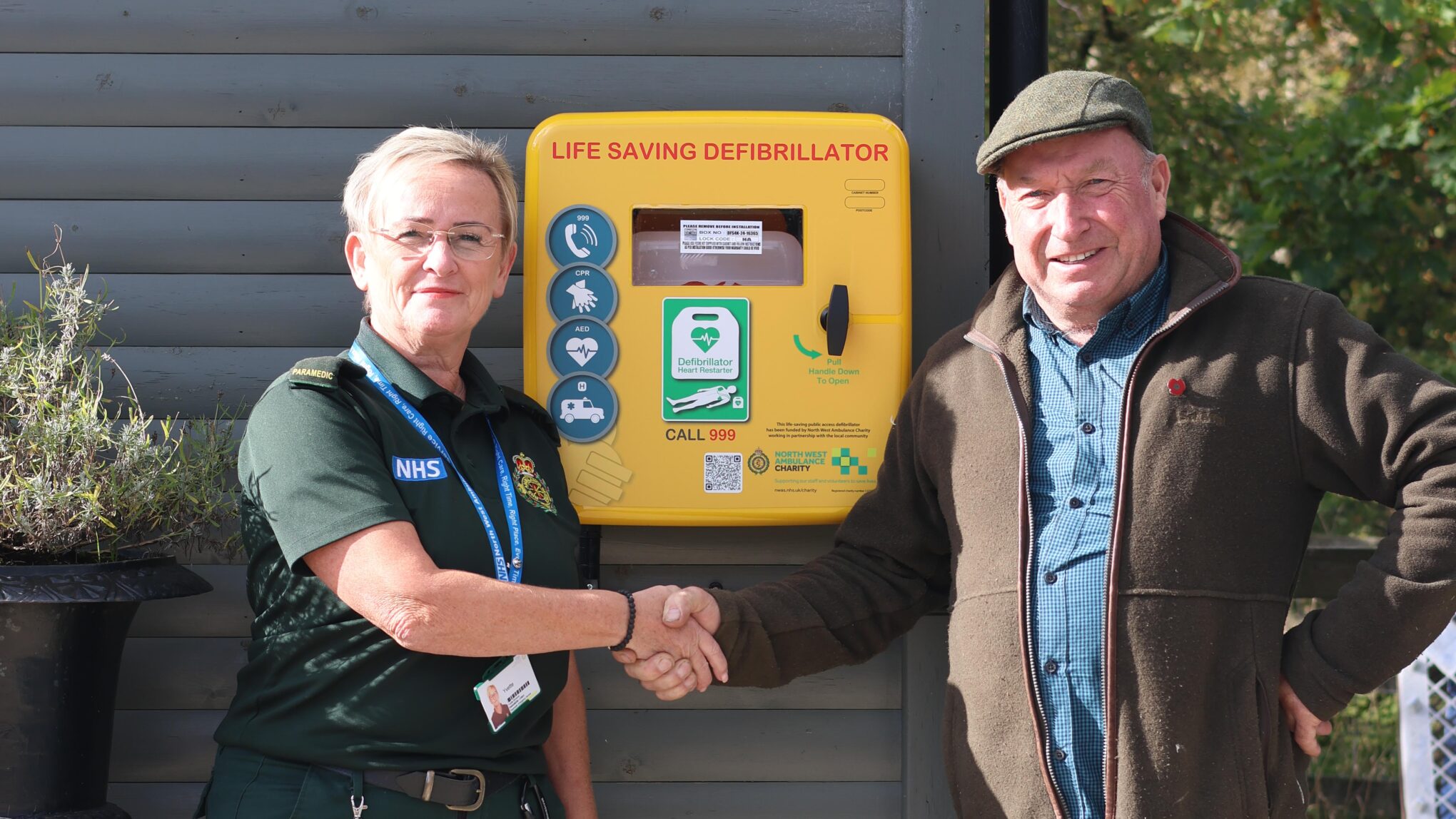
We have a defibrillator!
Brindle Distillery Defibrillator and First Aid
February 5th 2025
Written by Ana Bradbury
In 2024 Brindle Distillery became home to a Life Saving Defibrillator that is registered on ‘The Circuit – the national defibrillator network’, available for our community. On the 30th January our full time team including Mark, Jack, Nina, Ana and Rachel received defibrillator and CPR training from Yvette Brown (Community Resuscitation Engagement Officer). They are now certified for 12 months and will be on hand if anything ever happens at the Distillery, although, we hope they will never have to use these new skills.
Going forward, we will have a donation bucket in the distillery for the North-West Ambulance Service Charity! Feel free to pop in, donate and support our fantastic Ambulance Service.
A cardiac arrest is the most extreme emergency and happens when the heart stops pumping in a normal way, preventing blood from circulating around the body. It can happen to anybody at any age, anytime, anywhere. In the UK, around 60,000 people have an out-of-hospital cardiac arrest every year with less than 1 in 10 people surviving.
One of the main reasons for this low survival rate is the lack of action from bystanders before ambulance crews arrive. Unless immediately treated with CPR and defibrillation, the person will die within minutes. A worryingly high number of people would not be confident using a public defibrillator for fear of the unknown or fear of causing the casualty harm.
A defibrillator provides an electrical charge that stops your heart’s abnormal rhythm so your heart can get back to a normal rhythm. Defibrillation within five minutes can result in survival rates as high as 70%. These life saving devices are incredibly important, and we are so pleased to be able to provide one for our local community.
What should you do if someone is having cardiac arrest?
DRS ABC:
Danger. Check it is safe for you to help.
Response. Shake their shoulders and shout “are you alright?”
Shout for help. If they don’t respond, call 999 immediately. The ambulance service will tell you how to help by taking you through the next steps.
Airway. Lay the patient flat on their back. Gently tilt their head back to open the airway.
Breating. Look for the chest going up and down, listen for strange noises and feel for any breath on your cheek. If a person is unconscious but is breathing normally, you can put them in the recovery position.
Compressions. Start CPR if they are not breathing normally.
Defibrillators should be as readily available as fire extinguishers, and we need bystanders to act by using defibrillators in the community. On your way home tonight look out for the closest defibrillator in your community or search ‘The Circuit’ to find yours.